High levels of sickness absence rarely have a single cause. More often, it is due to several factors such as work environment, leadership, and employees’ sense of psychological safety and belonging in their day-to-day work. To reduce absence, organisations need a deeper understanding of what influences everyday work life – and how these factors can be improved.
Specifique has developed several projects built on dialogue and employee involvement as key methods for reducing sick leave and strengthening the work environment. In collaboration with TheVIT, HR Business Partner, we have designed a process and a set of tools that can be adapted to different organisations. The concept has been used by clients in 2025 and 2026 as part of targeted efforts to improve workplace conditions and reduce sick leave.
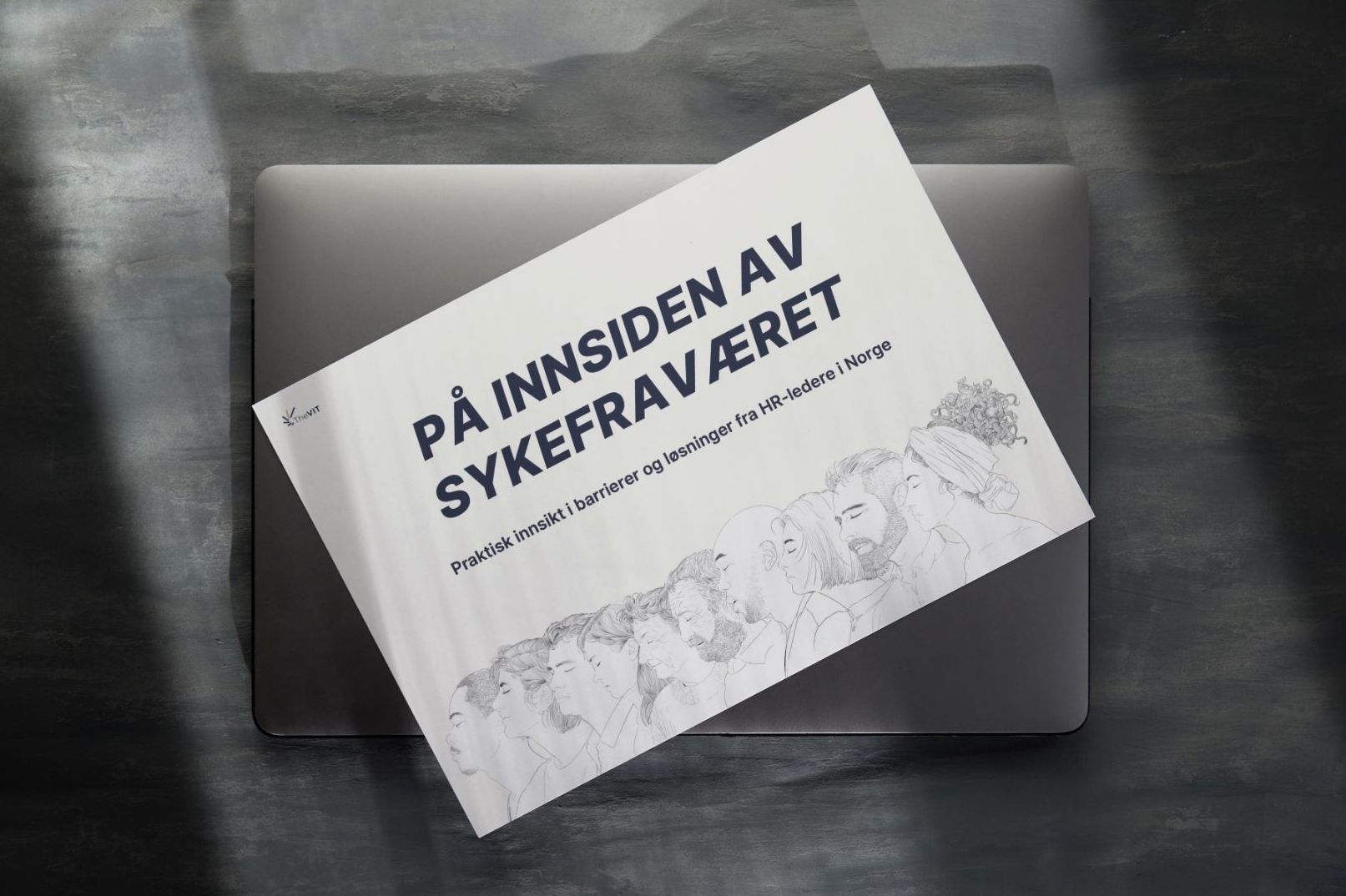
The basis for the project comes from the sickness absence report “Inside sickness absence“, developed by TheVIT. The report identifies key characteristics of organisations that succeed in reducing absence, including clear roles, effective structures, and leaders who are supported in working systematically with sick leave.
Download the report here (Norwegian only).
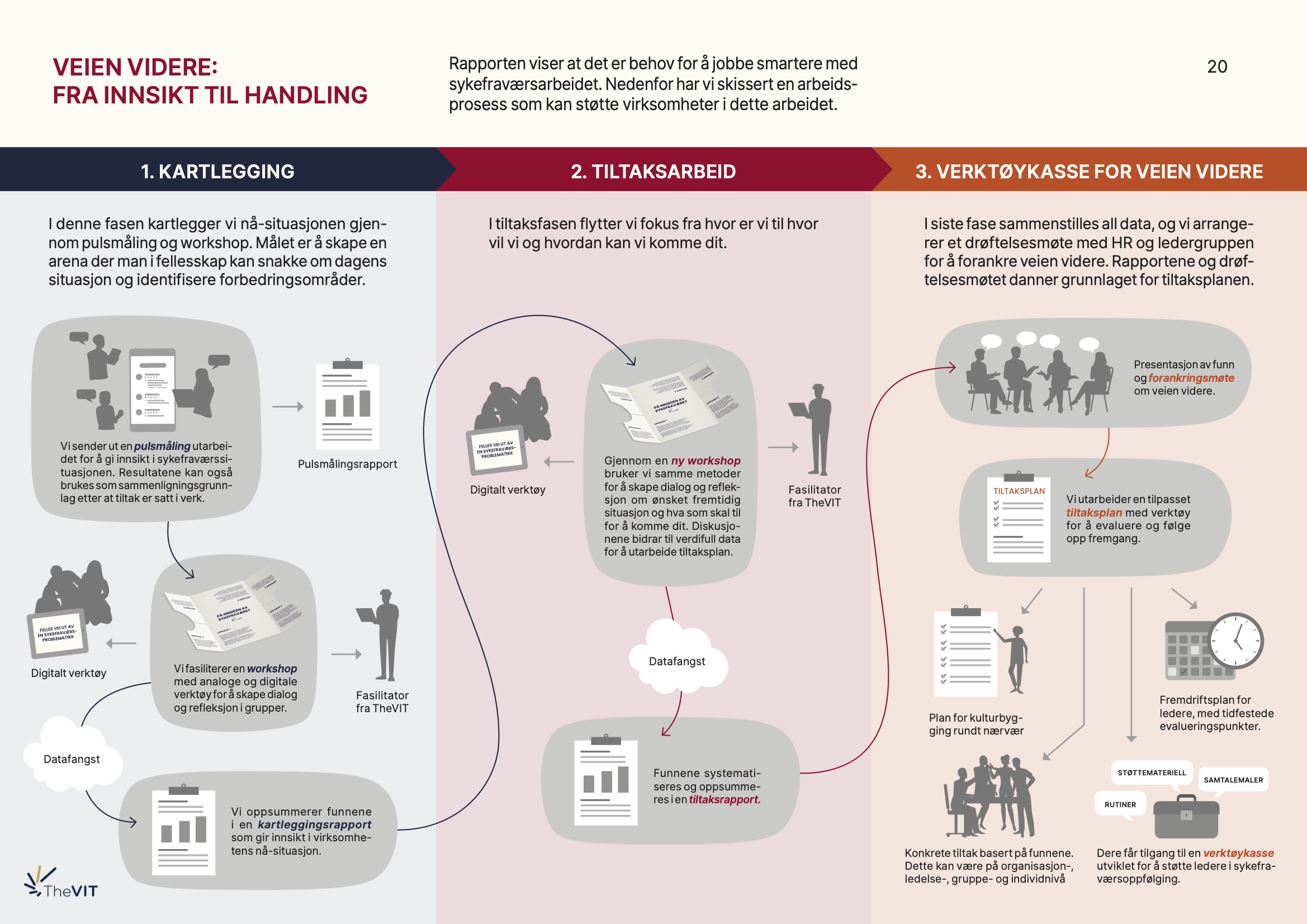
Many organisations already have a solid overview of their challenges through employee surveys, work environment assessments, or sick leave reports. The real challenge often lies in turning this insight into concrete actions that are realistic and sustainable in daily work.
This is where the Dialogue Mat comes in. Used after results have been presented, it provides leaders and employees with a tool to explore underlying causes, share perspectives, and discuss what can be done to create a better and more sustainable work environment.
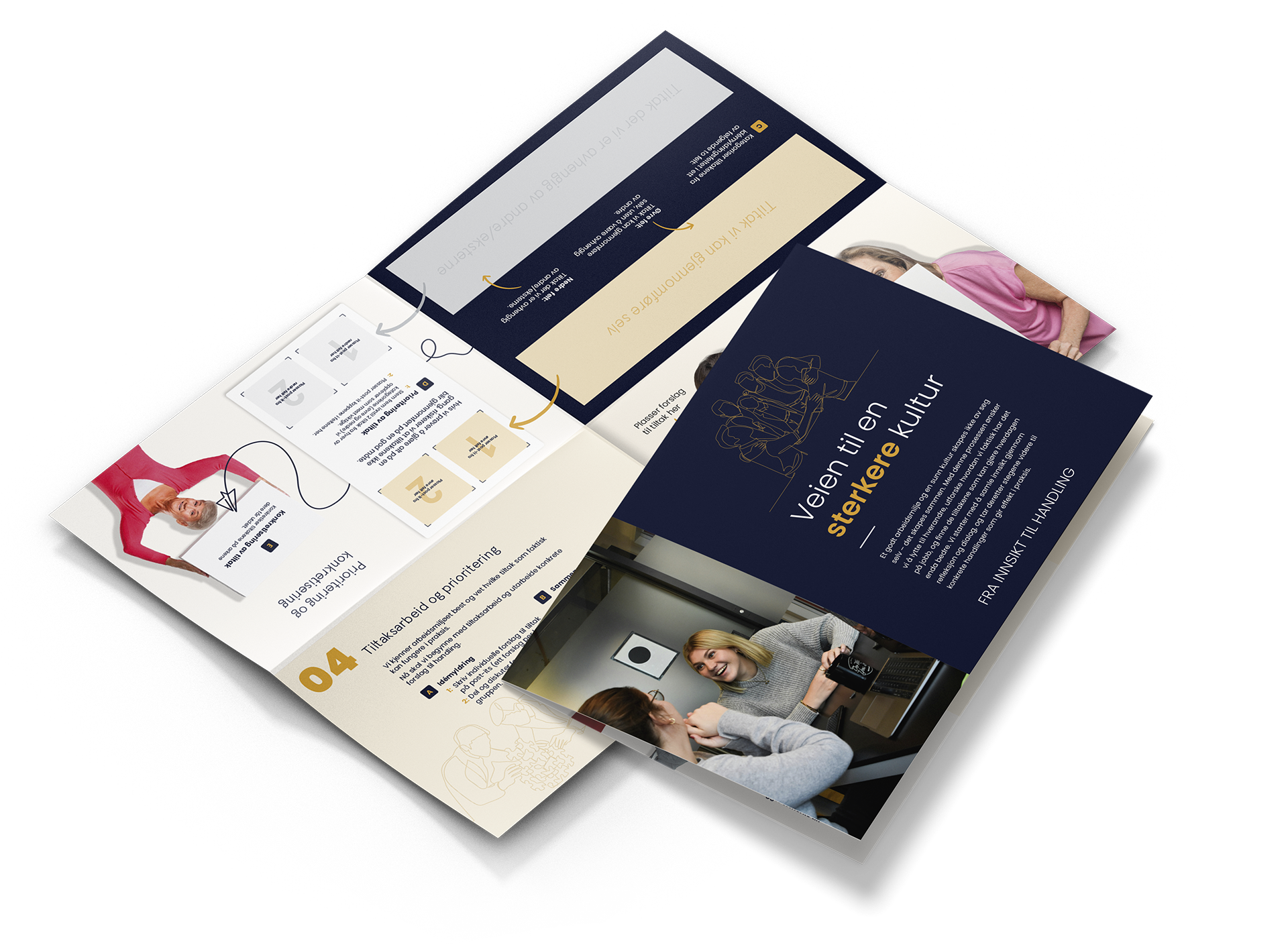
Participants are guided through a clear and structured process that includes:
- reflecting on results and recognising them in their own daily work
- exploring factors that promote or hinder wellbeing, collaboration, and psychological safety
- clarifying expectations of both leaders and employees
- developing and prioritising concrete actions
Actions are distinguished between what the group can influence themselves and what requires support from the outside. This helps ensure realistic decisions and clear ownership.
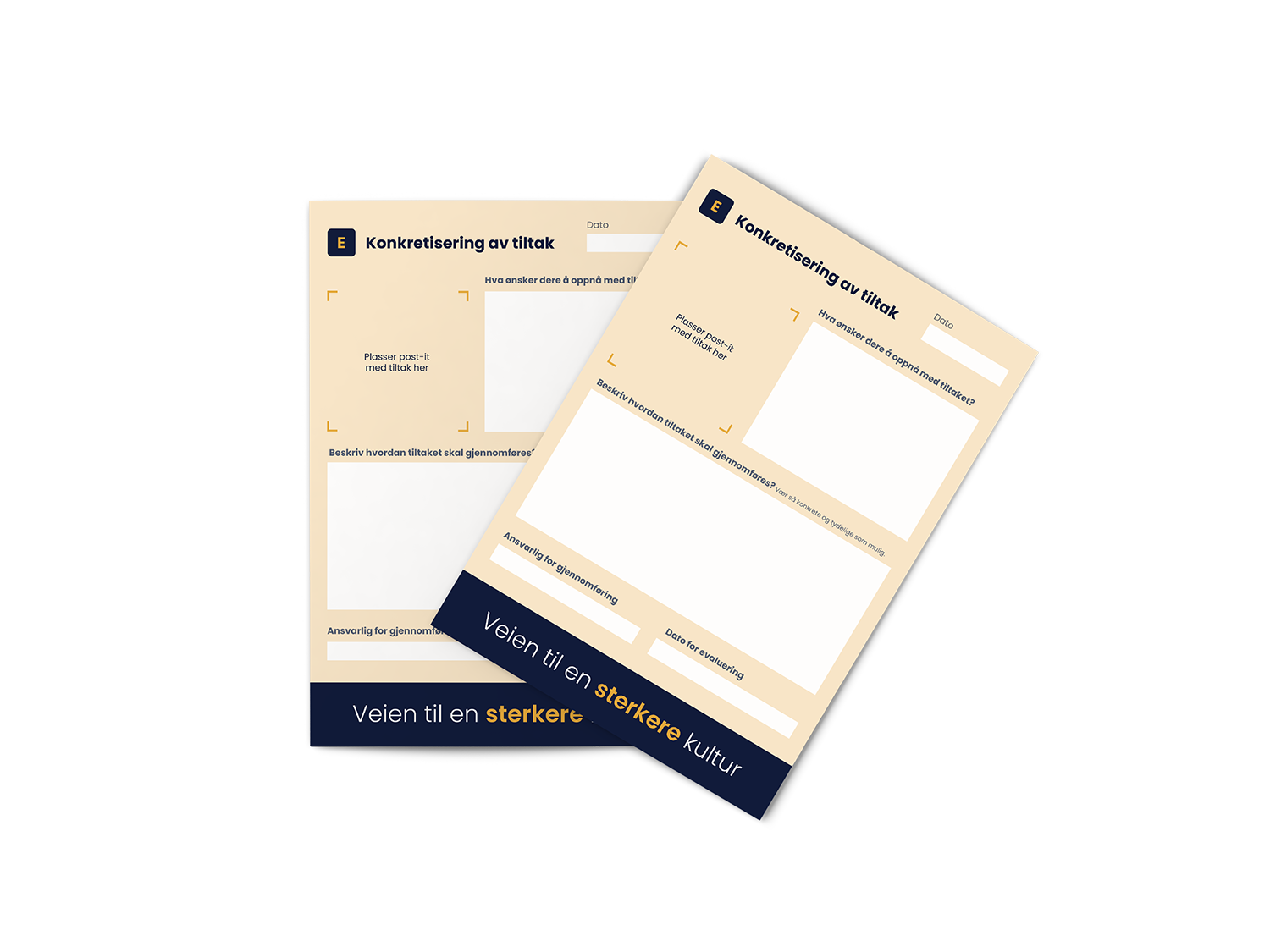
A core principle of the approach is moving from broad discussions to concrete actions. Rather than creating long action lists, the process helps teams prioritise measures that can be followed up over time – actions that reduce strain, strengthen collaboration, and help prevent sick leave.
The method can be used across departments and organisational levels, and can be facilitated by internal resources or HR. The result is a structured and inclusive process that turns insight into action, giving organisations a stronger foundation for systematic work on the work environment and reduced sickness absence.